


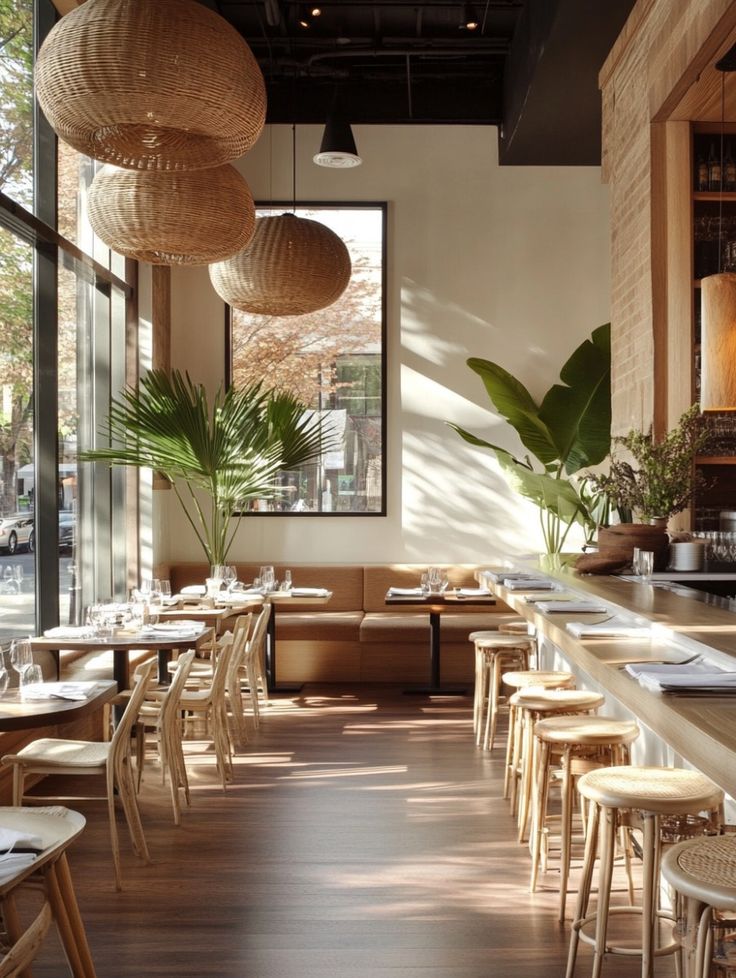
In the hotel industry, sustainability has ceased to be a trend and has become a necessity. More and more travelers are seeking accommodations that offer environmentally responsible experiences without sacrificing comfort or luxury. This is where sustainable design plays a fundamental role, transforming spaces into eco-friendly environments that not only minimize environmental impact but also create a unique experience for guests.
What is Sustainable Design in Hospitality?
Sustainable design in hospitality involves creating spaces that optimize natural resources, reduce energy consumption, and use eco-friendly materials. This approach seeks to balance functionality, aesthetics, and environmental responsibility, contributing to more conscious and environmentally friendly tourism.
Benefits of Sustainable Design in Hotels
Reducing the Ecological Footprint 🌍
From the selection of recycled materials to the implementation of energy-efficient systems, sustainable hotels significantly reduce their environmental impact, helping to conserve natural resources and reduce carbon emissions.
Long-Term Economic Savings 💡
The initial investment in sustainable technology and materials translates into significant long-term savings. LED lighting systems, solar panels, and efficient water management reduce operating costs and improve profitability.
Improved Guest Experience 🌱
Guests increasingly value accommodations that reflect their own environmental values. A sustainable design that incorporates natural elements, natural light, and green spaces creates an experience of well-being, connection, and tranquility.
Competitive Differentiation 🌟
In a highly competitive market, offering eco-friendly spaces allows hotels to position themselves as leaders in social and environmental responsibility, attracting a segment of conscious travelers and building customer loyalty.