

The New Luxury in Wellness: Sensory, Sustainable, and Strategic
In 2025, a spa is no longer just a place to relax.
It's a sensorial refuge, an immersive experience, and an emotional extension of the environment it's located in.
Interior design has ceased to be a matter of aesthetics and has become a key tool for building guest loyalty, differentiating the brand, and elevating the perceived value of the service.
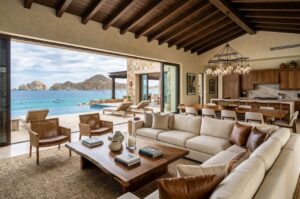
Whether in the Riviera Maya, Los Cabos, or Tulum, the new spa must feel authentic, human, natural, and technologically integrated.
What are guests looking for in a spa today?
- A space that invites silence and introspection
- Aesthetics consistent with the surroundings (jungle, desert, sea)
- Honest, sustainable, and comfortable materials
- An environment that activates the senses and calms the mind
- Different, yet connected areas: reception, wet areas, cabins, terraces, tea room
Key Trends in Spa Design for 2025
1. Warm and Emotional Minimalism
The design reduces the superfluous and elevates the sensorial.
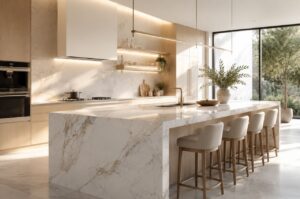
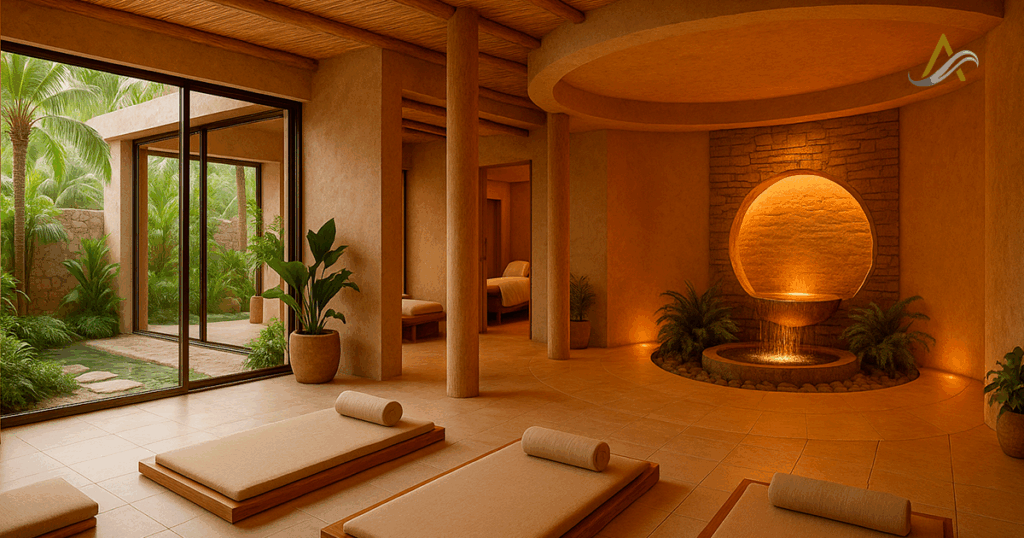
Organic lines, earth tones, textured walls, and soft lighting predominate. The spaces are open, serene, and free from visual distractions.
📌 Example: Spa in San José del Cabo with natural wood furniture, artisanal clay walls, and hand-woven fibers.
2. Biophilic Design
Connection with nature becomes an emotional need.
Real vegetation, green walls, interior patios, open ceilings, and cross ventilation are now essential parts of the design.
📌 Example: Cabins with floor-to-ceiling windows opening onto private gardens with palm trees, the sound of running water, and filtered natural light.
3. Therapeutic Lighting and Invisible Technology
Circadian light that changes intensity and temperature based on the time of day.
Silent aromatherapy diffusion.
Hidden ambient audio systems.
Temperature, sound, and fragrance automation via app or central control.
📌 Example: Wet area that activates dim lighting and aromatherapy upon entry, without staff intervention.
4. Multipurpose and Purposeful Spaces
Areas that can be transformed as needed: a meditation room that converts into a therapy cabin.
Movable partitions, absorbent materials, and ergonomic furniture.
📌 Example: A circular room that offers yoga classes during the day and converts into a relaxation room with tatami mats and amber lighting in the evening.
5. Comprehensive Sensory Design
Each space activates one or more senses:
- Visual: natural textures, targeted lighting
- Auditory: silence, the sound of water, soft music
- Tactile: warm stone, linen sheets, soft towels
- Olfactory: natural essences, wood, herbs
- Gustatory: artisanal teas, infusions, local fruits
Who needs to apply these trends?
- Spa and wellness resort owners
- Hotel and wellness tourism architects
- Boutique hotel experience managers
- Investors in premium tourism projects
At Ascendencia, we design well-being that is felt from the first step
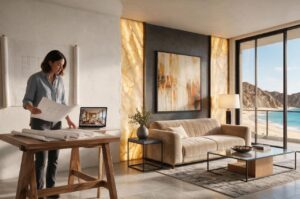
We know how to translate concepts of luxury, relaxation, nature, and culture into spaces that inspire loyalty through silence, texture, and atmosphere.
We design spas with soul, not just furnishings.
Do you want your spa to be part of the new wellness standard in 2025?
Contact us via WhatsApp Business. and together we can create the next emotional healing destination.