


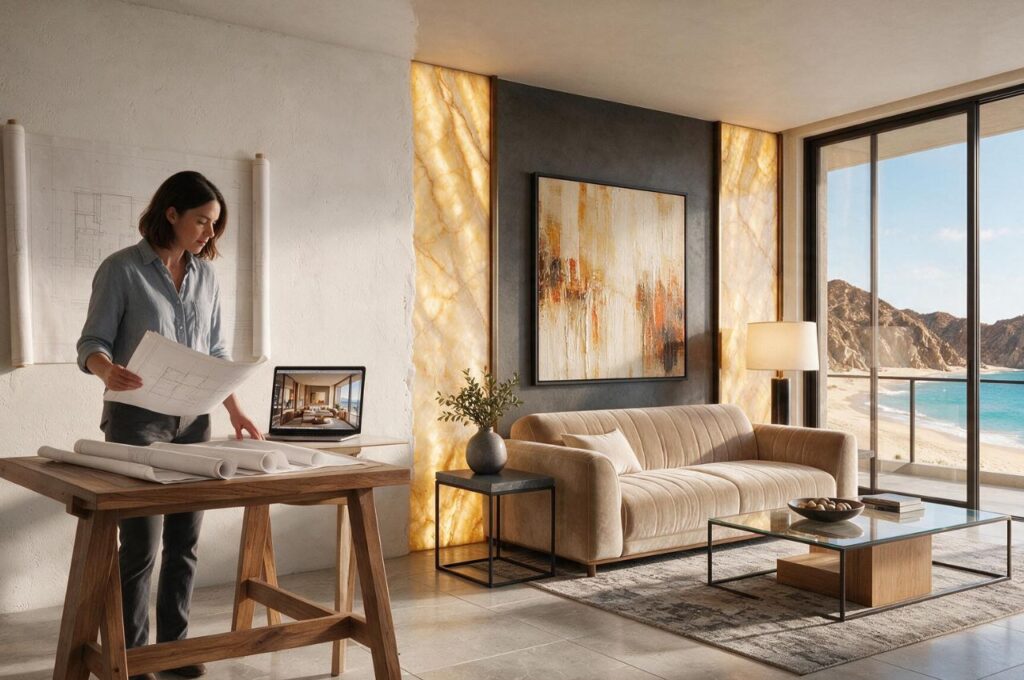
Starting a complete home renovation is often a mix of excitement and uncertainty. It's natural to imagine the finished space while also wondering how long the project will take, which decisions will have the greatest impact, and how to keep the experience from becoming overwhelming. For most homeowners, a major renovation is something they do only once or twice in their lifetime, making it difficult to understand what actually happens between the first design meeting and the day they finally move back into their transformed home.
Although every renovation is unique, successful projects tend to follow the same overall journey. Understanding each stage helps homeowners make informed decisions, set realistic expectations, and enjoy the process with greater confidence.
Every successful renovation begins before construction
Many people believe a renovation starts when demolition begins. In reality, construction is only one chapter in a much longer process.
The first step is understanding the people who will live in the space. Before discussing finishes, cabinetry, or furniture, designers need to learn how the home is used, which daily routines work well, and what challenges the current layout creates. A beautiful kitchen that doesn't support the family's lifestyle isn't truly successful. Neither is a spacious living room that discourages gathering together.
Listening comes before designing. Once those needs become a clear design brief, every decision throughout the project has a purpose.
Design development and planning
After defining the project's goals, attention shifts toward planning every aspect of the renovation before construction begins.
Floor plans are refined, circulation is analyzed, lighting and mechanical systems are coordinated, materials are selected, budgets are reviewed, and construction documents are prepared. This stage also allows designers to identify potential challenges before they become expensive problems on site.
Many of the project's most valuable decisions happen during this phase, long before the first wall is removed.
Construction begins
With detailed plans complete, the renovation moves into construction.
Depending on the project's scope, this stage may include demolition, structural modifications, electrical and plumbing work, HVAC installation, windows, doors, and all the systems that will eventually remain hidden behind walls and ceilings.
Construction often looks chaotic, but a well-planned project follows a carefully coordinated sequence that minimizes delays and reduces costly changes during execution.
Finishes and custom millwork
As construction progresses, the home begins to take on its new identity.
Flooring, wall finishes, lighting, paint, and custom millwork gradually transform the space from a construction site into a home. This is often the stage clients have been waiting for, as months of planning finally become visible.
Even so, patience remains important. The final details usually require the greatest level of precision because they ultimately define the quality of the finished project.
Furnishing and project completion
The final stage involves much more than placing furniture.
Artwork, textiles, decorative lighting, accessories, and styling complete the overall experience, while final inspections ensure that every installation functions properly and every detail meets the expected standard.
Antes de la entrega también se realizan revisiones finales para verificar acabados, funcionamiento de instalaciones y pequeños ajustes que garanticen que todo opere correctamente.
Only after these final reviews is the renovation truly complete and ready to be lived in.
A successful renovation is built through planning
Every project follows its own schedule, but the principle remains the same: outstanding renovations are not the result of moving quickly—they are the result of planning carefully.
When every stage is connected by a clear vision, decisions become more intentional, communication becomes easier, and the entire experience becomes far less stressful. In the end, the true success of a renovation is measured not only by how beautiful the home looks, but by how naturally it supports the lives of the people who call it home.
Planning a Home Renovation in Los Cabos?
At Ascendencia Interior Design, we guide our clients from the first conversation through the final installation, creating personalized interiors that reflect both lifestyle and long-term functionality.
Whether you're renovating a primary residence, vacation home, commercial property, or hospitality project in Los Cabos, our team is ready to help you navigate every stage with confidence.
Ascendencia Interior Design
Blvd. Mauricio Castro, Misión Mulegé s/n Local 2 Planta Baja
23443 San José del Cabo, Baja California Sur, México
📞 (624) 123 5872
📱 WhatsApp: +52 33 2973 9314
✉️ ventas@ascendenciadesign.com