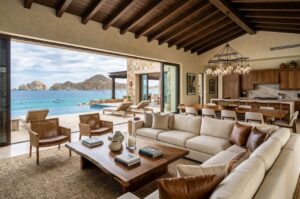


Historically, architecture has been evaluated based on its aesthetics, functionality, or structural resilience. However, in a world where we spend approximately 90% of our time indoors, an urgent need has emerged to measure a building's success through a different metric: its impact on human health.
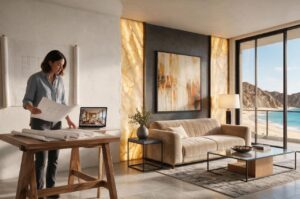
Wellness architecture is not merely a decorative trend; it is a scientific and creative discipline that seeks to design environments capable of reducing stress, improving circadian rhythms, and accelerating physical and mental recovery processes. At Ascendencia Interior Design Firm, we integrate this vision into every interior design project in Los Cabos, turning residences into true sanctuaries.
The heart of biophilic design
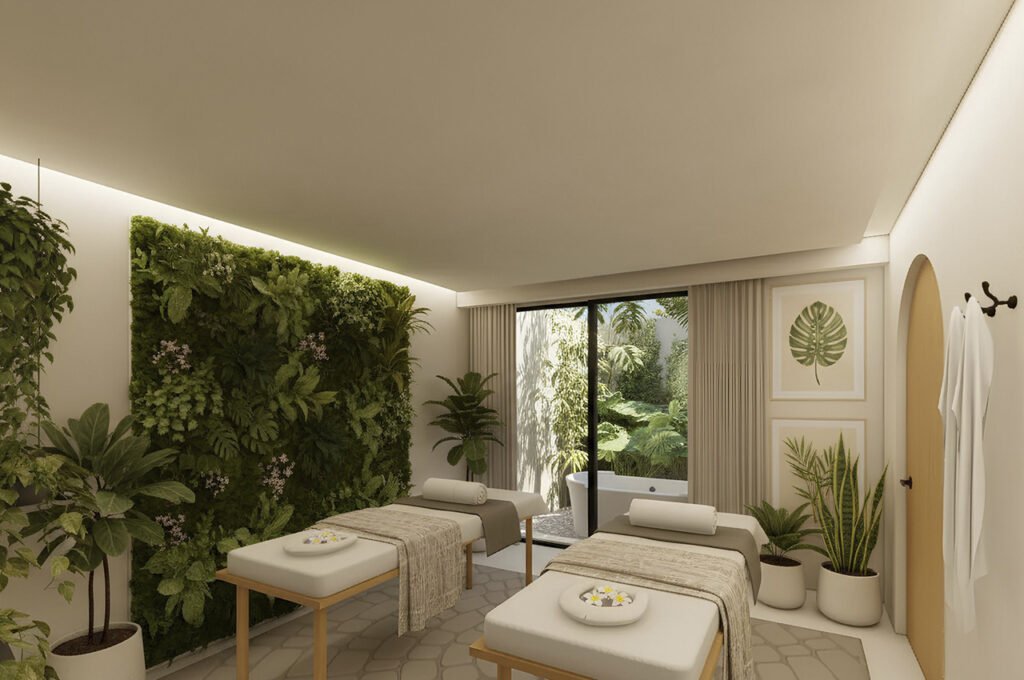
The heart of this philosophy lies in biophilic design, which acknowledges our innate connection to nature. Integrating natural elements ranging from abundant sunlight to greenery and water features shifts from being a luxury to a functional necessity. Research shows that visual contact with organic elements can boost productivity and significantly lower cortisol levels.
Tactile materials and bespoke furniture
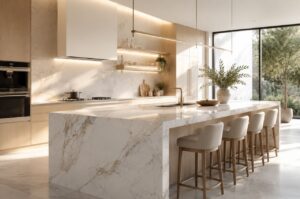
This approach is further enhanced by the use of organic shapes and tactile materials like wood and stone, which our brains process as safe and relaxing environments. In contrast to sharp angles and synthetic materials that often trigger unconscious tension, our bespoke furniture design utilizes organic textures to promote tranquility.
The inhabitant’s invisible biology
Beyond the visual, wellness architecture intervenes in the invisible biology of the inhabitant. This includes:
- Acoustic comfort: Prioritizing environmental quality so that design ceases to be a simple concrete structure and transforms into a living organism that nurtures those within.
To design for healing is, ultimately, to understand that buildings are not just shelters, but the primary stage where our vitality unfolds.