


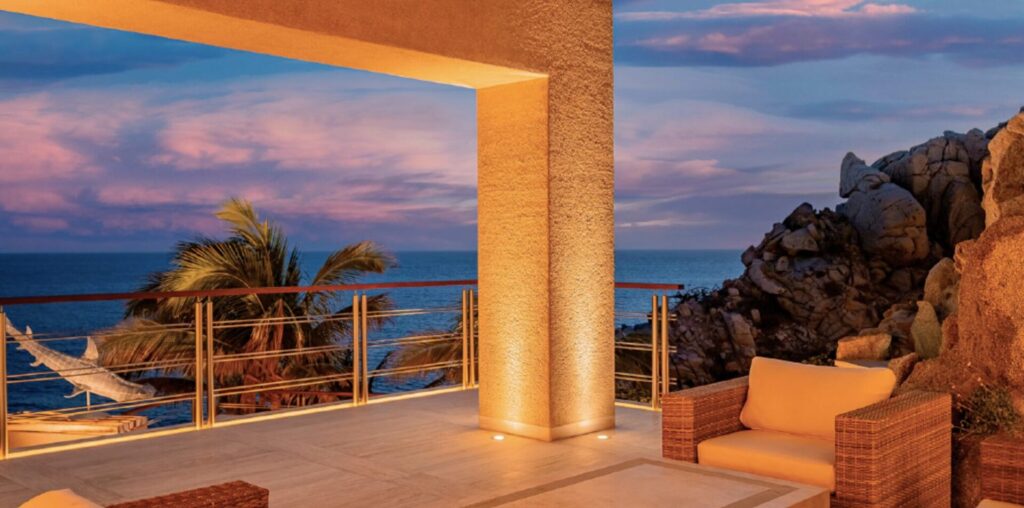
One of the most fascinating and enriching aspects of interior design is the ability to blend modern style with local cultural elements. This trend has become a powerful tool for creating unique spaces, especially in hotels, restaurants, and other tourist establishments. By integrating local materials, colors, and textures, you can not only create a welcoming atmosphere but also pay homage to the traditions and heritage of a place.
Sustainability Through Local Design
Sustainability is one of the most important priorities in contemporary design. By opting for local materials, not only is the carbon footprint of the project reduced, but local economies are also supported. Native woods, local stones, or handmade ceramics can be valuable elements from both an ecological and cultural perspective.
Natural materials such as stone or clay are perfect for adding a rustic and authentic touch, while local metals can introduce modern details that seamlessly integrate with the natural environment.
Colors that Reflect the Local Environment
Colors used in interior design should resonate with the natural and cultural environment of the region. In coastal areas, like Los Cabos, shades of blue, turquoise, and white evoke the sea and beach, creating a relaxing and refreshing atmosphere. In contrast, in mountainous or rural regions, earthy tones and warm wood hues can bring a sense of warmth and connection to nature.
Local Textiles and Handicrafts
Textiles are another excellent way to incorporate local culture into interior design. From handwoven rugs to curtains and cushions with traditional patterns, textiles can be a simple and effective way to add an authentic touch to any space. These elements are not only visually appealing but also tell a story, helping guests connect with the region on a deeper level.
Integrating Local Architecture
Architectural elements can also be an extension of cultural design. If you’re working on a project in a region with distinctive architecture, such as adobe houses in the southwestern United States or palm-thatched roofs in tropical areas, make sure to incorporate them into the interior design. Large windows to maximize natural light, high ceilings with exposed beams, or interior courtyards are just a few examples of how local architecture can influence interior design.
The Value of Local History
Finally, it’s important for designs to tell a story. Including pieces of art or decorations that reference local history can add a layer of depth to the space. Whether through the display of local contemporary art or the inclusion of ancient and traditional pieces, interior design can be a way to connect the past with the present, offering guests a more authentic and enriching experience.